Hlavní americké akciové indexy v pondělí otevřely mírným růstem, zatímco investoři sledují nové kolo jednání mezi USA a Čínou o vyřešení obchodního sporu.
Dow Jones otevřel o 0,05 % výše na 42 786,19 bodu, S&P 500 vzrostl o 0,07 % na 6 004,63 bodu a Nasdaq přidal 0,22 % na 19 573,14 bodu.
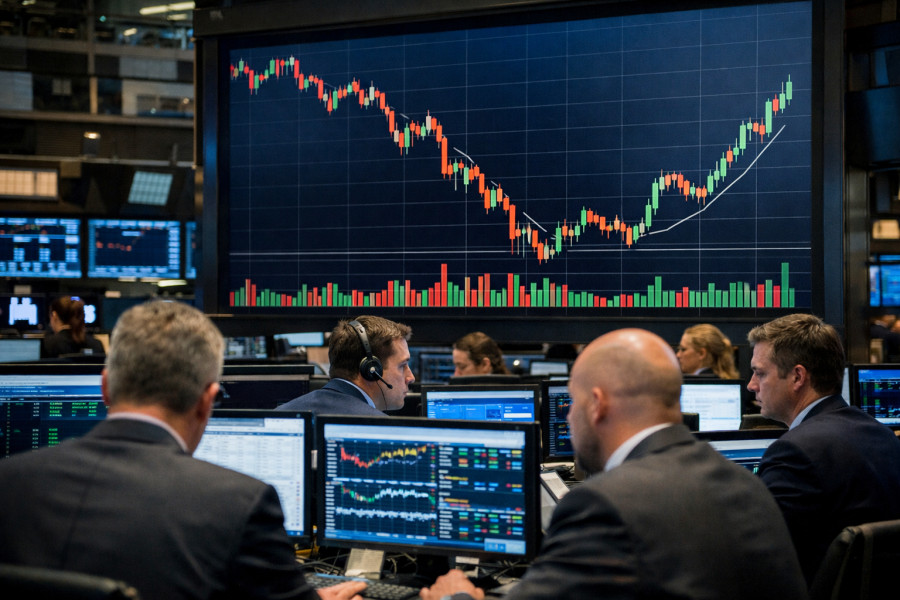
Goldman Sachs analysts reckon sustainable upside for the S&P 500 will only be possible after a correction. In the bank's view, the current action looks fragile: oil shocks raise inflation risks and cloud the outlook for interest rates, which crimps risk appetite. Against this backdrop, the market shows signs of overheating, and a short-term pullback could serve as an "unloading" ahead of the next leg up.
Structural drivers remain intact, however. The index's support still comes from energy and technology — oil names are benefiting from higher crude, while tech giants continue to gain from steady demand for AI compute and digital infrastructure. If a correction happens on modest volumes and without a deterioration in macro data, the S&P 500 should get a firmer base for renewed gains. Follow the link for more details.

The geopolitical flare-up after US action against Iran sent oil and gold sharply higher. Markets are pricing in the risk of supply disruptions and a possible widening of the conflict, which boosts demand for safe-haven assets. US equity indices so far have held up relatively well, showing that investors are not rushing to indiscriminately liquidate positions.
The key question is how far the escalation goes and what it will do to the global oil market. If tensions persist, the energy sector could get another leg up, and inflation expectations could rise again, which would feed into Fed rate forecasts. Follow the link for more details.

February turned out to be the weakest month for the S&P 500 since March last year. Rising concerns over a slowdown in the US economy and ongoing geopolitical risk have pushed capital into Europe and other foreign markets. Investors are diversifying in the face of uncertainty about the Fed's next policy moves.
Markets are increasingly pricing in scenarios in which the Fed maintains a tighter policy stance for longer or delays easing. That puts pressure on growth stocks and makes the index more sensitive to macro releases. Capital flows out of the US signal waning confidence in the short-term outlook for the American market, even as structural interest remains. Follow the link for more details.
Despite the Middle East escalation, Bitcoin recovered after sharp liquidations and attracted fresh capital. The cryptocurrency showed an ability to quickly reclaim losses even amid global shocks, reviving debate about its role as an alternative asset in times of instability.
Longer-term prospects are still uncertain. Without clearer geopolitical signals and stabilization of global risks, Bitcoin's price action may remain choppy and interest episodic. Investors continue to balance the speculative upside of crypto with regulatory and macro risks. Follow the link for more details.

Futures on US indices plunged as geopolitical tensions in the Middle East ratcheted up. Contracts on the DJIA and other benchmarks lost over 1.4%, signaling a likely negative opening. Investors are rapidly reassessing risks, mindful of the potential for further escalation and its knock-on effects for commodities and inflation.
Adding to the pressure is uncertainty over Fed policy. Any sign that higher oil prices feed through into faster inflation would complicate the case for interest rate cuts and amplify volatility in equities. Follow the link for more details.